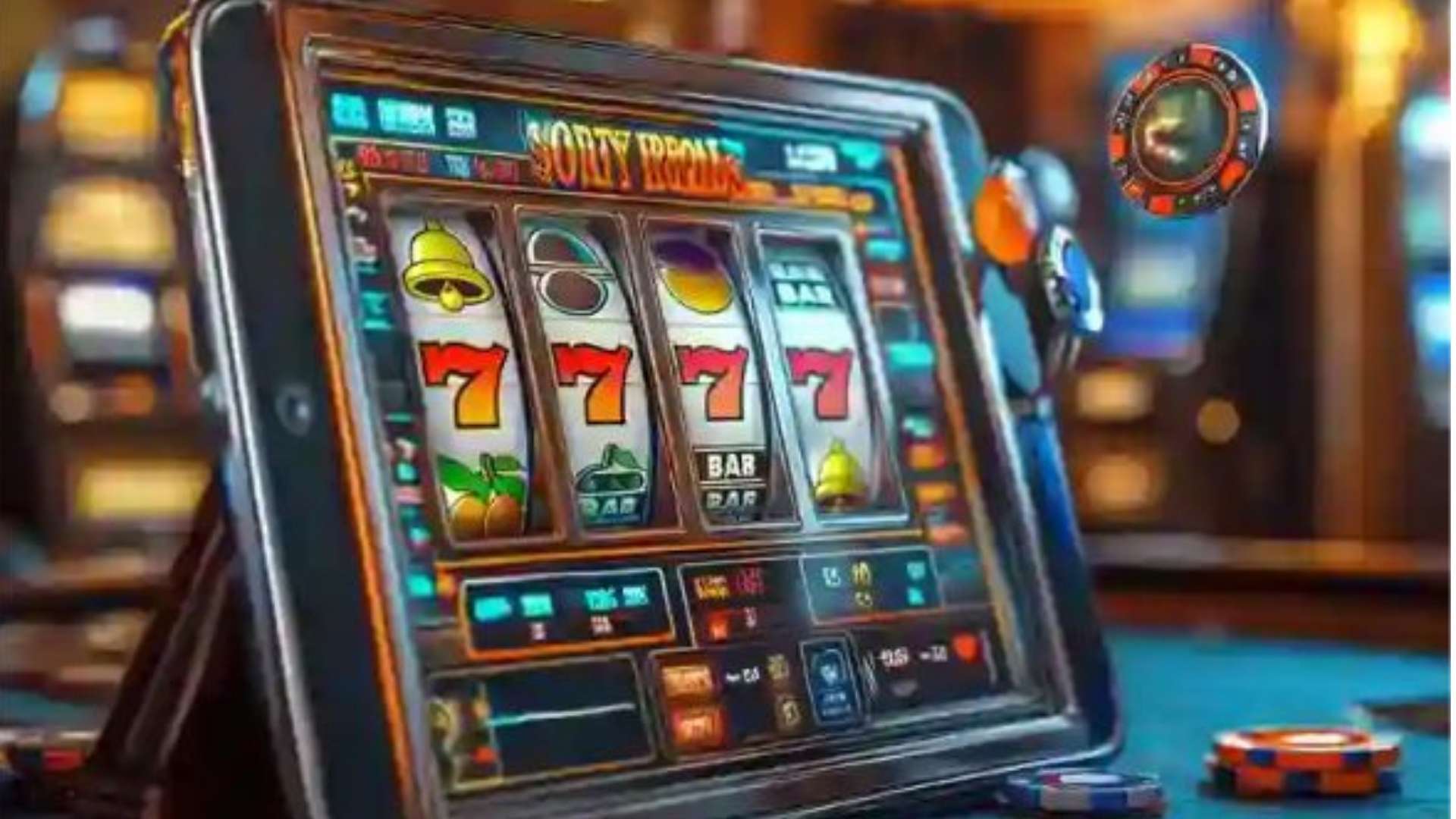
The digital gaming landscape is experiencing a massive shift as classic card games evolve far beyond their static origins. Modern technology now allows players to engage with virtual decks in ways that closely mimic the tactile feel of physical tables while adding dynamic digital enhancements. This evolution is reshaping player expectations by turning solitary screen time into deeply engaging, multi-sensory experiences.
The Rise of Immersive Technology at the Digital Table
Advancements in augmented and virtual reality are completely changing how enthusiasts interact with their favorite digital card designs. Instead of merely clicking on a flat interface, players can now project three-dimensional cards into their physical environments or step into fully realized virtual arenas. This blending of real-world physics with digital elements creates an unprecedented level of depth that traditional software platforms could never replicate.
Furthermore, the integration of spatial audio allows participants to hear the distinct rustle of cards and the directional chatter of opponents. These subtle auditory cues enhance the sense of physical presence, making every match feel like a high-stakes gathering. As these immersive tools become more accessible, the boundary between physical and online card gaming continues to blur.
Live Streaming and the Croupier Connection
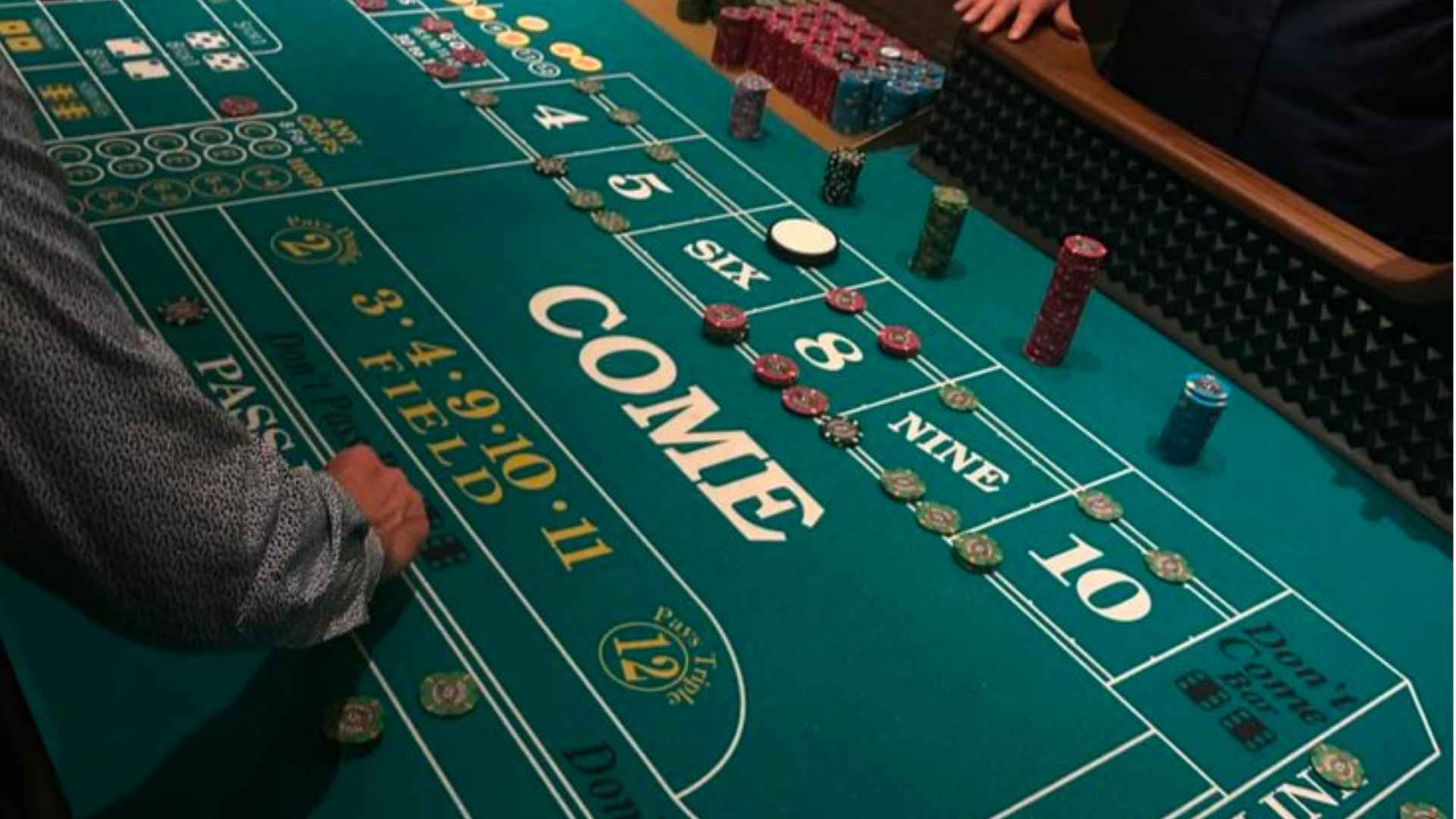
Another major factor driving this interactivity is the widespread adoption of high-definition live streaming technology. Real-time broadcasts bring professional dealers directly onto player screens, adding a vital layer of human connection and transparency to digital setups. Players can chat directly with the hosts, making the entire session feel much more social and authentic.
For enthusiasts looking to experience this dynamic environment firsthand, exploring updated platforms like M88 toto offers an excellent entry point into modern interactive layouts. The presence of a live host alters the rhythm of the game, replacing predictable computer algorithms with natural human pacing. This structural authenticity provides reassurance to participants who value traditional casino etiquette and real-time interaction.
Community Building Through Shared Virtual Spaces
Modern digital card games are no longer isolated activities where individuals play strictly against artificial intelligence. Instead, developers are focusing heavily on creating vibrant, shared ecosystems where global communities can gather and interact. In-game clubs, real-time chat modules, and cooperative tournament formats are turning competitive matches into collaborative social events.
These interactive features allow players to build lasting friendships, share tactical advice, and celebrate victories together in real time. By transforming card tables into virtual social hubs, digital platforms successfully replicate the camaraderie originally found only in local hobby shops. This emphasis on community ensures that modern card games remain engaging over much longer periods.
AI Personalization and Smart Feedback Systems
Artificial intelligence is also playing a critical role in tailoring the interactive experience to individual player preferences. Intelligent algorithms can analyze a user's playing style in real time to offer customized tutorials, balance matchmaking, and suggest optimal deck combinations. This dynamic support system helps beginners overcome the steep learning curves often associated with complex trading card games.
Additionally, responsive visual cues and instant feedback loops make every strategic move feel meaningful and impactful. Players receive immediate rewards and analytical insights that help them improve their skills naturally as the session progresses. This intelligent integration of technology guarantees that the future of card gaming will remain highly adaptive, responsive, and thoroughly interactive.