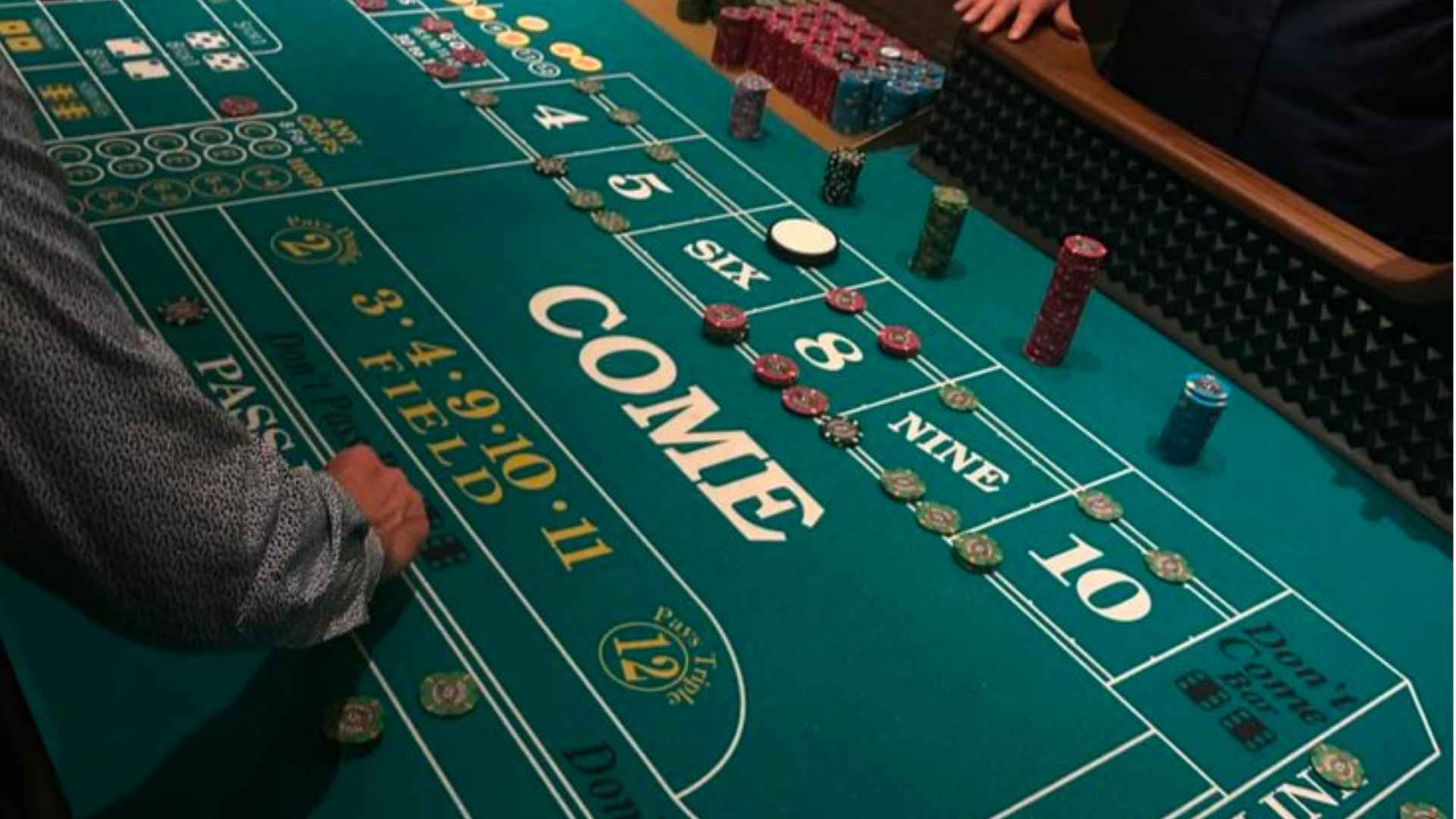
Baccarat has evolved significantly from its traditional roots to become a highly dynamic attraction in gaming halls worldwide. Today, modern technology and regional preferences are reshaping the classic card table layout, giving rise to unique variations that cater to diverse audiences. Exploring these structural changes reveals how modern casino floors are adapting to modern demands while preserving the game's core suspense.
The Dynamic Architecture of Asian Gaming Tables
In major gaming enclaves like Macau, baccarat tables are built to handle rapid action and massive crowds. These layouts frequently omit traditional commission tracking to streamline the dealing process and keep the energy levels consistently high. The focus in this region remains heavily on speed and efficiency, matching the preferences of local enthusiasts.
Furthermore, these tables often feature digital displays that track complex historical trends for players who look for patterns. Many setups integrate specialized side wagers, allowing participants to diversify their options beyond standard outcomes. For those looking to study these dynamic frameworks online, utilizing the M88 toto platform offers an insightful way to observe modern game variations safely.
European Elegance and Interactive Banking Structures
Shifting the perspective to traditional European casino rooms reveals a stronger focus on classic social interactions. Traditional variants like Chemin de Fer encourage players to assume the role of the banker rather than just betting against the house. This design shifts the financial responsibility across the table, creating a unique psychological environment during play.
These tables are typically larger and promote a slower, more deliberate pacing that emphasizes strategic decisions. Participants enjoy the shared experience and formal rituals that have defined continental card games for centuries. By keeping these traditional setups alive, operators cater perfectly to card enthusiasts who value legacy and direct involvement.
The Efficiency of Scale on Western Casino Floors
In North American markets, gaming establishments have successfully popularized scaled-down layouts known as Mini Baccarat. These tables resemble standard blackjack configurations, utilizing fewer dealers and significantly lower betting thresholds to attract casual audiences. By stripping away the formal boundaries of high-stakes rooms, the game becomes highly approachable.
The faster dealing speed ensures that players can experience a high volume of rounds in a compact timeframe. This format bridges the gap between traditional gaming rituals and modern entertainment expectations. As a result, everyday visitors can comfortably master the fundamental drawing rules without experiencing excessive financial pressure.
Digital Integration and the Future of Table Gameplay
The rise of digital technology has introduced hybrid tables that blend physical dealer interactions with electronic betting interfaces. Players sit at individual terminals while watching a real-time dealer handle physical cards at a central location. This innovation maximizes safety, accuracy, and player comfort simultaneously.
These modern configurations allow hundreds of participants to join a single table without overcrowding the physical environment. Software developments ensure seamless updates, personalized display settings, and detailed game histories at the touch of a button. The ongoing success of these setups highlights the continuous transformation of classic table entertainment across global boundaries.