Improving your performance at classic table games requires a deliberate combination of statistical knowledge, psychological discipline, and consistent practice. Whether you sit at a physical casino layout or engage with modern digital versions, stepping up your play depends heavily on making methodical decisions rather than relying entirely on luck. By shifting your approach from casual participation to structured observation, you can unlock a much deeper understanding of basic gaming dynamics.
Mastering the Fundamentals of Basic Strategy
The first step toward meaningful improvement is completely mastering the foundational guidelines governing your game of choice. For traditional card games like blackjack, mathematical charts outline the single optimal decision to make for every possible scenario. Memorizing these standard probability models helps minimize the historical edge built into the system by the house.
Deviating from established guidelines out of pure emotional intuition is a common pitfall that often leads to avoidable losses. Instead, true professionals focus entirely on long-term data trends rather than short-term results. Developing this level of technical discipline creates a solid base upon which you can build more complex tactical choices over time.
Developing Strict Bankroll Management Habits
Even the most talented players cannot succeed without implementing a rigid strategy to safeguard their available funds. Before joining any active table, you should designate a clear and unalterable entertainment budget for that specific session. Dividing this overall amount into smaller, uniform wagers prevents a sudden streak of poor luck from completely eliminating your stake.
Furthermore, setting realistic victory targets and strict stop-loss limits helps protect your accumulated earnings before emotions interfere. Knowing exactly when to step away from the table is a vital skill that separates seasoned players from enthusiastic beginners. Maintaining absolute financial control ensures that your interactive experiences remain stress-free and highly sustainable.
Observing Table Dynamics and Social Cues
Stepping back to quietly observe active sessions before placing your own wagers offers invaluable insights into the overall pace and atmosphere of a specific table. Watching how other participants interact with the layout allows you to absorb the unwritten rules of etiquette without risking any financial capital. This simple preparation habit goes a long way toward reducing standard beginner anxiety.
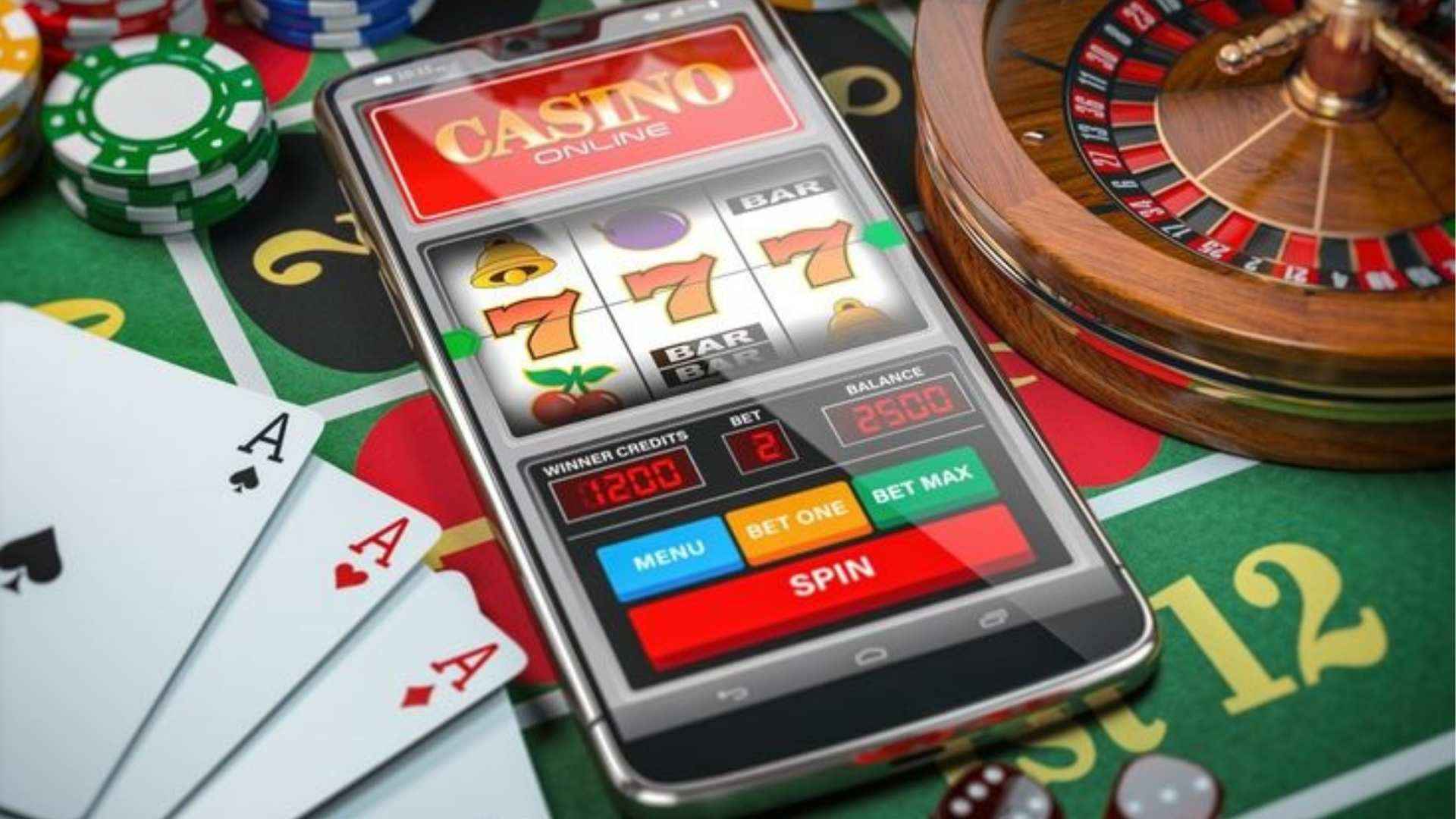
In games that feature direct psychological competition, monitoring the behavior patterns and betting tendencies of your opponents becomes critical. Understanding how players manage their stress levels helps you anticipate subtle adjustments in their long-term approaches. Similarly, exploring different digital variations like an engaging M88 slot option can broaden your overall understanding of modern gaming design and variance models.
Embracing Emotional Control and Concentration
Maintaining a calm, analytical mindset throughout an entire playing session is perhaps the most difficult yet rewarding attribute to cultivate. Allowing initial frustrations from an unexpected loss to influence your subsequent decisions usually triggers erratic behavior and compounding mistakes. Successful individuals train themselves to view every independent round with complete neutrality.
Taking regular physical breaks during extended sessions helps preserve high concentration levels and prevents cognitive fatigue from setting in. When your mind is fully rested, identifying patterns and calculating logical probabilities becomes significantly easier. Prioritizing emotional resilience alongside technical expertise transforms table gaming into an engaging mental puzzle.